
Novo Nordisk’s ‘long game’ on weight loss drugs sparks hope in science, but the Street is impatient

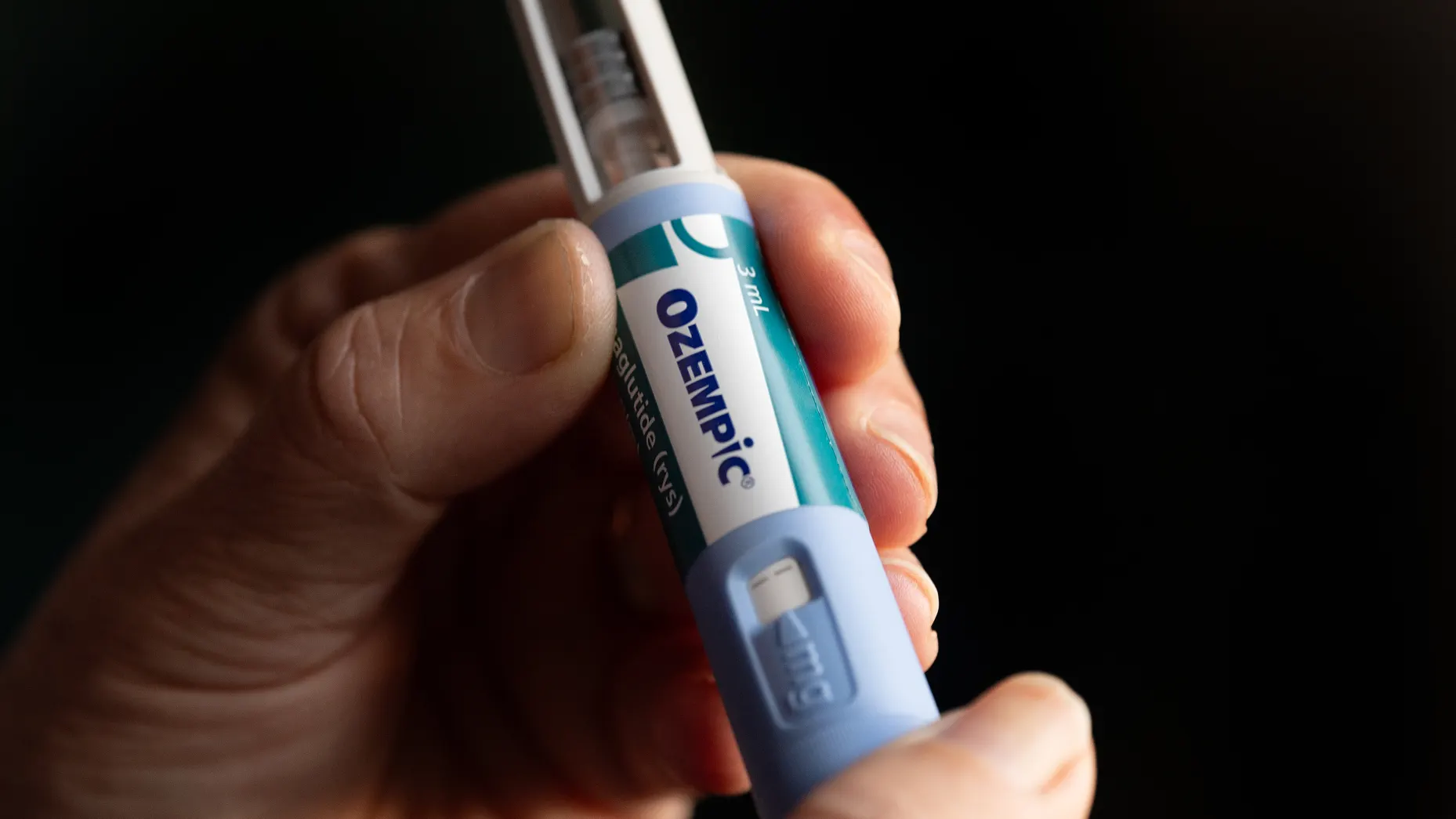
Ozempic is medicine for adults with type 2 diabetes that along with diet and exercise may improve blood sugar. (Photo by Steve Christo - Corbis/Corbis via Getty Images)
Copenhagen/New York — Amid a challenging year of stock price pressure and leadership changes, Novo Nordisk's blockbuster GLP-1 drugs, Ozempic and Wegovy, are revealing a surprisingly expansive therapeutic horizon that extends far beyond diabetes and obesity. While investors have questioned the Danish drugmaker's ability to capitalize on the competitive weight-loss market, scientists are uncovering growing evidence that semaglutide—the active ingredient in these treatments—may have significant benefits for brain function and addictive behaviors.
Originally developed for blood sugar management, semaglutide has already gained regulatory approval for reducing cardiovascular risks and treating chronic kidney disease. Now, the medical community is focusing on its potential impact on the brain. Observational studies suggest GLP-1 drugs may quiet cravings not only for food but also for alcohol, tobacco, and recreational drugs by influencing the brain's reward pathways and dopamine signals. "There is interest in understanding the potential of semaglutide on various brain functions," said Laura Nisenbaum of the Alzheimer's Drug Discovery Foundation (ADDF).
A New Frontier in Neurological and Psychiatric Indications
This emerging research points to a potential strategic pivot for GLP-1 therapies. By modulating inflammation and energy usage in the brain, these drugs could open new avenues for treating a range of neurological and neuropsychiatric conditions. As Nisenbaum noted, understanding this link could be useful for indications "where changes or damage to the brain impact mood, behavior, or cognition."
This expansion comes at a critical time. With rival Eli Lilly's drug also gaining approvals for conditions like sleep apnea, the competition in the GLP-1 space is intensifying. Exploring additional therapeutic indications has become a key high-stakes race for drug developers, alongside efforts to create more convenient formats like pills.
Broadening the Value Proposition Beyond Metabolic Health
For Novo Nordisk, these potential new applications represent more than scientific curiosity; they are a pathway to redefine and extend the value of its flagship products in a fiercely competitive ecosystem. If semaglutide proves effective in addressing addiction or cognitive decline, it would transform from a metabolic drug into a much broader neuro-metabolic therapy, creating new markets and insulating the company from pure price competition in weight management.
This evolution underscores a significant strategic opportunity. As research progresses, the next chapter for GLP-1 drugs may be written not in the pancreas or the liver, but in the brain, offering hope for new treatments and potentially revitalizing investor confidence in the long-term platform these medicines represent.
Recent
News





Newsletter
Subscribe to our mailing list to get the new updates!

Subscribe our newsletter to stay updated
Most
Reviews
Markets

Markets

- Thu, 15 Jan 2026
NATO nations deploy to Greenland after tense White House talks
Finance

- Fri, 16 Jan 2026
To transform Iran, the west needs patience not over-reach
Markets